· Reviewed · 8 min · God Mode · Process
What a credit manager actually does (and what it refuses)
CreditGod is not a letter blaster. Here's the difference between a manager and a generator — and why God Mode drafts and sends only what the facts support.
Most credit products sell speed. A stack of letters. A dashboard full of red. A promise that more volume equals more deletions.
A manager does the opposite. It reads the file, separates inaccurate from accurate, and only acts where the facts support a dispute. If you tell God Mode an item is yours and the balance is right, that item leaves the queue. Forever.
That refusal is the product. Spray-and-pray letters burn goodwill with furnishers and look frivolous to the bureaus. Round-based work — with a 30 to 45 day clock — is how real files move.
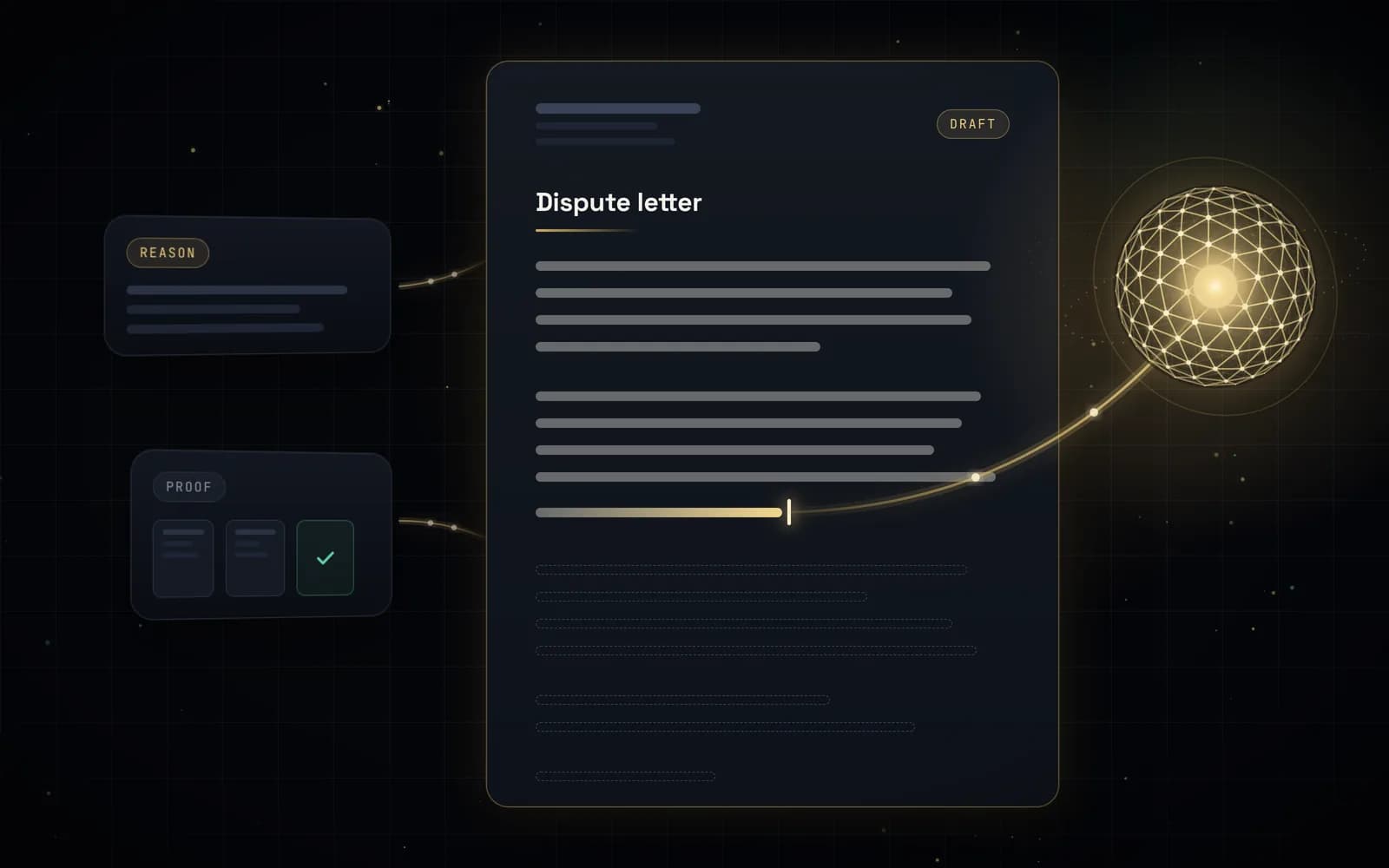
God Mode drafts the bureau dispute reasons and the furnisher letter, attaches vault proof when you have it, files electronically, and mails certified. You set the goal in chat — car, apartment, mortgage, cleanup — and the manager runs the round. Nothing guaranteed. Nothing invented.
Results vary. CreditGod does not promise deletions or point gains. Control and process are the headline. CreditGod is not a law firm; God Mode is not a lawyer.
Verified items get a document request or a different next move — not an instant re-dispute blast. Outcomes are logged so the next round starts from evidence, not hope.
General information, not legal or financial advice. CreditGod is not a law firm. You can dispute inaccurate information with the credit bureaus yourself, for free. Results vary.
Go deeper
Ready for a manager, not a letter blast?
Start · $39.99/mo